
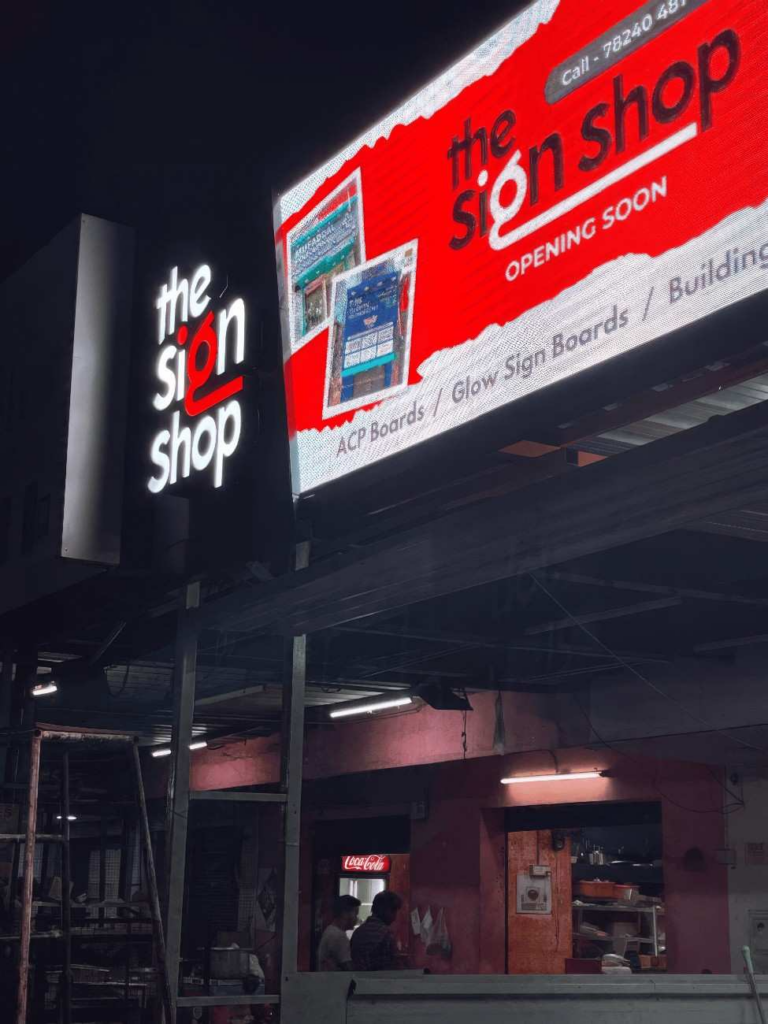
A bright LED wall can make a shop, showroom, office, hotel, or event venue easier to notice. It can show many offers on one screen and update them without printing new boards. But a poor setup can lead to weak daylight visibility, hard-to-read text, water entry, unsafe wiring, or costly downtime.
This guide explains LED video wall installation in Chennai in clear steps. You will learn how to choose the screen, plan the site, compare quotes, check local approvals, and prepare for long-term maintenance.
What Should You Decide Before Choosing an LED Wall?
Start with the business goal, not the screen specification. A retail shop may want passing traffic to see daily offers. A showroom may need sharp product videos. A corporate office may need a clean screen for presentations and visitor messages.
Write down these five details before asking for a quote:
- Where the screen will be installed, indoors, behind glass, or fully outdoors.
- The nearest and farthest viewing distance.
- The type of content, such as text, product videos, menus, or live feeds.
- Expected daily operating hours.
- Who will update content and how often.
These answers help the installer recommend the right size, brightness, pixel pitch, cabinet, controller, and service access. They also stop you from paying for features that your site does not need.
LED Video Wall Installation in Chennai: Step-by-Step Process
1. Complete a Site Survey
A proper survey should measure the wall, viewing angles, road visibility, access height, sunlight, nearby power supply, cable route, ventilation, and maintenance space. For outdoor sites, it should also check rain exposure, wind, drainage, and corrosion risk.
Ask the installer to record the site conditions in writing. A quote made only from a phone photo may miss structural, electrical, or access costs.
2. Select the Screen Size and Aspect Ratio
The screen should fit both the site and the content. A very wide wall may look impressive, but standard videos can leave empty areas or require cropping. Decide whether you will mainly show landscape videos, menus, product images, live events, or a mix.
The final drawing should show the active display size, total structure size, screen depth, service access, cable route, and viewing direction.
3. Choose Indoor or Outdoor LED Modules
Indoor LED walls are designed for controlled light and protected spaces. They can use a finer pixel pitch for close viewing. Outdoor units need stronger daylight output, weather protection, sealed connections, corrosion control, and a cabinet built for heat and rain.
Do not place an indoor unit outdoors to reduce the initial price. It may look dull in sunlight and may not be protected against dust or water. Compare The Sign Shop’s indoor LED video wall solutions and outdoor LED video wall options before choosing.
4. Match Pixel Pitch to Viewing Distance
Pixel pitch is the space between LED pixels, measured in millimetres. A smaller pitch can show more detail at close range. It also uses more pixels and usually costs more. A larger pitch can work well when viewers are farther away.
There is no single best pixel pitch for every project. Screen size, content, distance, and budget must be considered together. Ask for a live sample or viewing test before approving the final specification.
LED Display Screen for Business: Quick Selection Matrix
Use this table as a planning tool. The installer should confirm the final choice after a site visit.
| Business setting | Viewing pattern | Main priority | Good starting direction |
|---|---|---|---|
| Retail window | Close to medium | Readable offers through glass | Fine-pitch, high-brightness indoor or window display |
| Showroom or mall | Close to medium | Sharp product videos | Fine to medium-pitch indoor LED wall |
| Corporate lobby | Mostly close | Clean text and premium finish | Fine-pitch indoor LED wall |
| Outdoor storefront | Medium | Daylight and weather resistance | Weather-rated outdoor LED wall |
| Road-facing display | Longer distance | Large, simple, bright messages | Outdoor LED wall sized for traffic visibility |
This comparison also shows why an LED display screen for business should be chosen for its real viewing conditions, not from a product name alone.
5. Design the Support Structure and Service Access
The support frame carries the screen, cabinets, cables, and service load. Outdoor structures must be planned for the building surface and local site conditions. The Indian outdoor advertising safety guidance says outdoor structures should follow applicable building rules and use structural designs signed by a licensed civil or structural engineer.
The design must also leave a safe way to reach modules, power supplies, and receiving cards. Front-service screens can help where there is no rear access. Rear-service designs need a clear maintenance path.
6. Plan Power, Earthing, Protection, and Data
An LED wall is an electrical system, not just a display. The installer should calculate the connected load and provide suitable distribution, circuit protection, earthing, cable size, isolation, and surge protection. Outdoor cable entries must be sealed and supported.
Ask a qualified electrical professional to verify the work against the current Central Electricity Authority safety regulations. The quotation should clearly state whether electrical work, network cabling, and power backup are included.
7. Check Chennai Permissions Before Fabrication
Permission needs depend on the location, size, structure, property, and whether the screen is used as an advertising hoarding. The Greater Chennai Corporation permission rules state that a person or agency erecting a hoarding, digital banner, or placard within GCC limits should obtain permission from the Commissioner.
The GCC also provides an online Hoardings Approval service. Confirm the current requirement before fabrication. The site owner, installer, structural engineer, and local authority may each need documents or approvals. Do not treat a supplier’s verbal assurance as approval.
8. Install, Calibrate, and Test the Complete System
During installation, cabinets must be aligned so the picture looks like one surface. The team should then map the controller, correct colour and brightness differences, test every module, check input sources, and set safe day and night brightness.
Final testing should cover videos, still images, text, scheduled content, restart behaviour, network control, ventilation, and access for repairs. The client should receive a live demonstration before sign-off.
9. Complete Training and Handover
A complete handover should include basic content training, controller login details, software or app details, drawings, warranty terms, serial numbers, spare modules, emergency contact information, and a maintenance schedule. Record a short training video for staff if more than one person will manage content.
Which Chennai Conditions Matter Most?
Chennai projects must be planned for heat, humidity, heavy rain, dust, and, in some areas, salt in the air. Outdoor cabinets should use suitable coatings and corrosion-resistant materials. Ventilation and drainage must not be blocked by decorative cladding.
Ask for the enclosure rating for the front and rear of the cabinet. The IEC guide to IP ratings explains how IEC 60529 classifies protection against solids and liquids. Do not accept the word “waterproof” without a documented rating and product specification.
For a road-facing wall, brightness is important, but control is equally important. The screen should remain readable in daylight without becoming harsh at night. Panasonic’s outdoor LED display guidance also highlights brightness, weather resistance, corrosion-resistant cabinets, and service-friendly design.
What Affects LED Wall Installation Cost?
A square-foot rate can help with early planning, but it does not show the full installed cost. The final quote can change because of:
- Total active screen size and aspect ratio.
- Pixel pitch and total pixel count.
- Indoor or outdoor brightness and weather protection.
- Cabinet material and front or rear service design.
- Support structure, cladding, civil work, and installation height.
- Power distribution, earthing, protection, and cable length.
- Controller, media player, software, and network setup.
- Access equipment, transport, approvals, taxes, and labour.
- Warranty length, spare parts, response time, and maintenance plan.
Ask every supplier for the same itemised scope. This makes comparison fair. For current planning ranges and cost drivers, read the outdoor LED video wall price guide.
Common Installation Mistakes to Avoid
- Choosing only by lowest price: A low quote may exclude structure, electrical work, access equipment, controller, testing, or after-sales service.
- Buying the smallest pixel pitch: More pixels do not always create better value when viewers stand far away.
- Ignoring future repairs: A screen with no safe service path can be slow and expensive to maintain.
- Using an indoor screen outside: Indoor modules may not handle sunlight, dust, rain, or outdoor temperature changes.
- Planning content too late: Poorly sized text and long videos can make a good screen ineffective.
- Skipping written approvals: Outdoor advertising and structural work may need official permission and signed documents.
- Accepting unclear warranty terms: Confirm labour, travel, modules, power supplies, controller parts, and response time in writing.
Maintenance Plan for Reliable Daily Use
A good maintenance plan protects image quality and reduces downtime. Keep the screen and ventilation paths clean. Check loose cables, damaged seals, colour differences, dead pixels, cabinet temperature, and unusual noise. Outdoor structures and electrical protection should be inspected on a fixed schedule.
Keep approved content dimensions, controller backups, login details, and spare parts in one secure place. If the display is critical for daily sales, agree on response times and escalation contacts before the warranty starts.
Actionable Takeaways
- Define the business goal, viewing distance, content type, and operating hours.
- Book a physical site survey before accepting a final quote.
- Choose indoor or outdoor hardware based on real exposure.
- Approve a drawing that shows size, structure, access, power, and cables.
- Verify structural and electrical responsibility in writing.
- Check GCC approval needs before fabrication begins.
- Compare itemised installed costs, not only price per square foot.
- Test content, brightness, restart behaviour, and remote control before sign-off.
- Collect training, warranty, spares, and maintenance documents at handover.
Frequently Asked Questions
How long does LED wall installation take?
The timeline depends on screen size, stock, structure, electrical readiness, access height, and approvals. Ask for a written schedule that separates fabrication, site preparation, installation, testing, and handover.
Does an LED wall need an internet connection?
Not always. A local media player can run saved content without continuous internet. Internet access is useful for cloud scheduling, remote updates, monitoring, and live feeds.
Can an LED wall be installed on an existing wall?
Sometimes, but the wall and mounting points must be checked first. The support design depends on the screen weight, cabinet depth, service method, surface condition, and site exposure.
What is the best LED wall size for a shop?
The best size depends on available space, viewing distance, road angle, content, and budget. Large text and simple content may work better than a bigger screen filled with small details.
Should a business choose front-service or rear-service cabinets?
Choose front service when rear space is limited. Rear service can work well when there is a safe maintenance corridor. The service method should be decided before the frame is fabricated.
Plan Your LED Wall With Fewer Surprises
A successful LED wall installation in Chennai starts with a real site survey and ends with testing, training, and a clear service plan. Match the screen to the viewing distance, use the right indoor or outdoor system, confirm approvals, and compare the full installed scope.
The Sign Shop plans LED video wall sign boards for Chennai businesses. For a site review and an itemised recommendation, request a quote before selecting the final screen.
Sources and Backlinks
- Greater Chennai Corporation permission rules
https://chennaicorporation.gov.in/gcc/department/revenue/
Official Chennai authority for hoarding permission requirements. - Tamil Nadu Urban Local Bodies Rules, 2023
https://www.stationeryprinting.tn.gov.in/extraordinary/2023/124_Ex_III_1a_2023.pdf
Official state gazette containing urban advertisement rules. - Central Electricity Authority safety regulations
https://cea.nic.in/regulations/central-electricity-authority-measures-relating-to-safety-and-electric-supply-regulations-2023/?lang=en
Official national electrical safety regulation source. - IEC guide to IP ratings
https://iec.ch/ip-ratings
International standards body defining enclosure protection ratings. - Indian outdoor advertising safety guidance
https://www.ioaa.co.in/resource-center/cobps
Industry code covering structure, siting, and public safety. - Panasonic outdoor LED display guidance
https://displaysolutions.in.panasonic.com/display-solutions/outdoor-led-signage
Manufacturer guidance for weather-ready outdoor LED displays.