
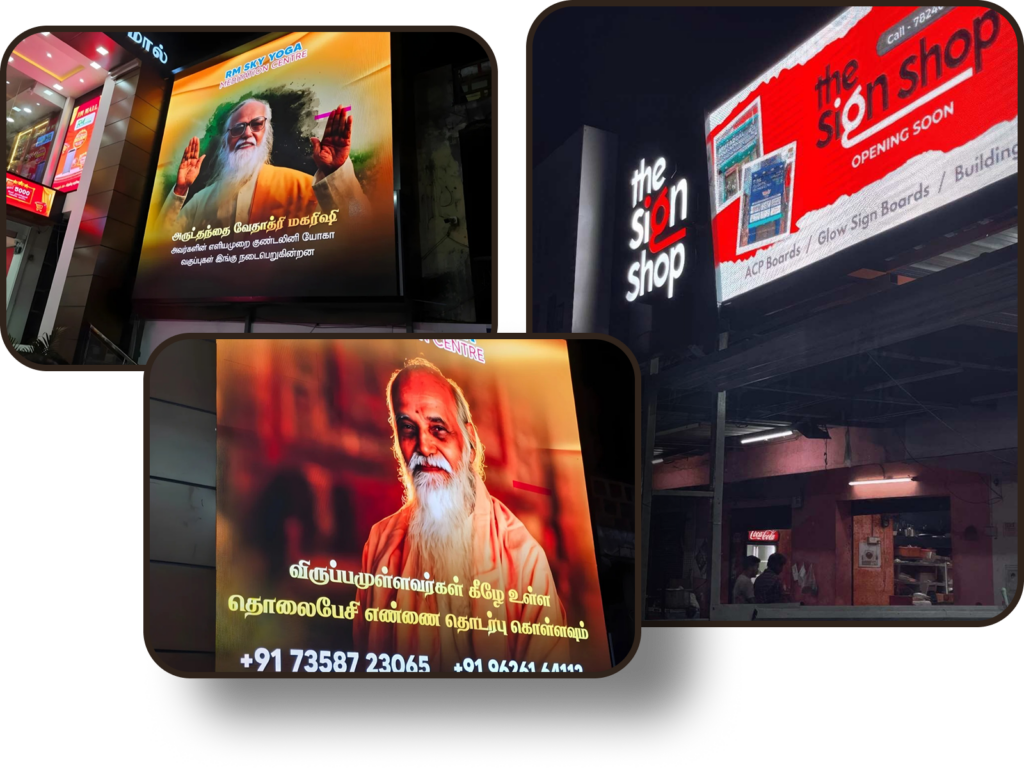
An LED wall can look excellent in a showroom and still fail outside on a sunny Chennai road. The reason is simple. Indoor and outdoor displays are built for different light, weather, viewing and maintenance conditions.
This guide compares an indoor LED video wall in Chennai with an outdoor LED video wall in Chennai. It explains brightness, weather protection, pixel pitch, structure, cooling, power, cost and approvals so you can choose the right LED video wall for business.
The best choice is not the screen with the biggest number on a brochure. It is the system that remains clear, safe and serviceable in the place where people will actually view it.
Indoor vs Outdoor LED Video Walls: The Quick Answer
Choose an indoor LED wall for controlled spaces such as showrooms, lobbies, meeting rooms, control rooms and halls. It can use a finer pixel pitch for close viewing and does not need a full outdoor cabinet.
Choose an outdoor LED wall for façades, roadside signs, open-air venues and other exposed locations. It needs higher brightness, weather protection, a stronger structure and careful heat and water management.
A screen behind a shop window needs special attention. It may be indoors, but daylight and reflections can make a normal indoor display look weak. Measure the real light at the screen position before deciding.
Indoor and Outdoor LED Video Wall Comparison
| Decision factor | Indoor LED video wall | Outdoor LED video wall |
|---|---|---|
| Main environment | Controlled interior space | Sun, rain, dust, humidity and wind |
| Brightness need | Lower, matched to room lighting | Higher, matched to daylight exposure |
| Weather protection | Not designed for direct rain | Protected cabinet and sealed components |
| Pixel pitch | Often finer for close viewers | Often wider for longer viewing distance |
| Cabinet and structure | Lighter indoor frame may be suitable | Stronger cabinet, frame and anchors needed |
| Cooling | Room ventilation and product design | Outdoor heat and cabinet airflow must be managed |
| Maintenance | Front or rear access based on wall | Safe access needed in all weather |
| Power design | Indoor circuits and earthing | Outdoor panels, protection and cable routes |
| Typical cost pattern | Driven by fine pitch and screen area | Driven by brightness, protection and structure |
| Best uses | Retail, lobby, boardroom, hall | Façade, roadside, stadium, outdoor venue |
This comparison chart shows why the installation site must be studied before a quotation is final. Screen size alone does not tell you the full cost or specification.
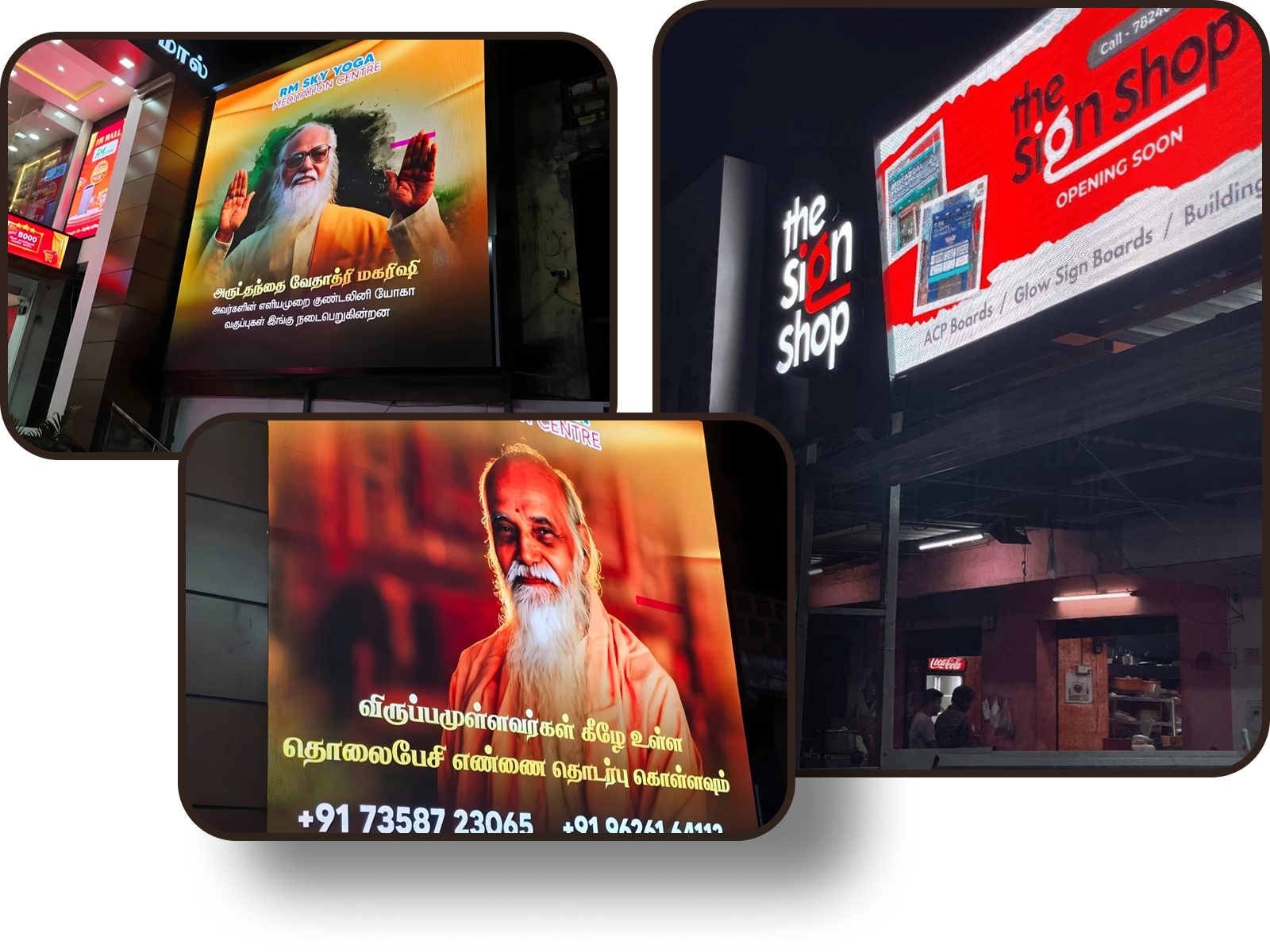
When Is an Indoor LED Video Wall in Chennai the Right Choice?
Indoor LED walls work best where room lighting and temperature are controlled. They can create a seamless large image without the bezel lines seen in many multi-screen LCD walls.
Official product guidance for an indoor active LED wall highlights uses such as retail showrooms, boardrooms and control centres. These locations need clear content at closer distances.
Best Indoor Business Uses
- Retail showrooms with product videos and offers
- Corporate reception areas and experience centres
- Boardrooms, training rooms and auditoriums
- Restaurants, hotels and event halls
- Control rooms and monitoring centres
- Museums, galleries and indoor exhibitions
Main Indoor Advantages
A fine pixel pitch can make text, faces and product images look smooth from a short distance. The room can also use lower brightness, which is more comfortable for nearby viewers. The supporting frame is often simpler because it does not face direct wind and rain.
Indoor walls can be shaped around architectural features or built into a stage background. Front-service modules are useful where there is no space behind the screen.
Indoor Limitations
An indoor cabinet should not be exposed to rain or outdoor dust. It may also be too dim for a bright window. Very fine pixel pitch can raise the cost even when the screen is small.
Heat still matters. A closed niche without airflow can shorten component life. Plan ventilation, electrical load and service access before carpentry or wall finishes are completed.
When Is an Outdoor LED Video Wall in Chennai the Right Choice?
Outdoor LED walls are designed for exposed or high-light locations. They are used on shop façades, building elevations, roadside signs, sports venues and open-air event spaces.
Official guidance for outdoor LED signage focuses on high brightness and protection from sunlight, heat, rain and humidity. Those are core needs in Chennai.
Best Outdoor Business Uses
- Retail storefronts and commercial building façades
- Roadside advertising and large-format brand displays
- Malls, transit areas and outdoor public spaces
- Stadiums and sports venues
- Hotels, wedding venues and event grounds
- Petrol stations and forecourt communication
Main Outdoor Advantages
Higher brightness helps content remain visible during the day. Outdoor cabinets are designed to protect electronics from the environment. The screen can also reach a large moving audience when it faces a road or open area.
A suitable control system can schedule content by time of day. Businesses can show offers, wayfinding, safety messages and event information without printing a new board.
Outdoor Limitations
The complete system is heavier and more complex. It may need structural steel, weatherproof electrical panels, lightning or surge protection, drainage, cooling and a safe maintenance platform.
Brightness should be controlled after dark. A screen that is comfortable in sunlight can cause glare at night. The content schedule and brightness sensor or preset levels should be tested from the road and nearby properties.
How Chennai Weather Changes the Decision
Chennai sites can face intense sun, high humidity, heavy rain, airborne dust and coastal salt. An outdoor system must handle the combined exposure, not just one factor.
Check the IP Rating Carefully
The IEC ingress protection code describes protection against solid objects and water. Ask for the IP rating of the exact cabinet and the parts being supplied. Do not assume every side of a cabinet has the same rating.
An IP number is only one part of outdoor readiness. Cable glands, doors, seals, connectors, vents and field joints must also be installed correctly. A poorly closed service door can defeat a good cabinet design.
Plan for Heat and Ventilation
Dark cabinets in direct sun can become very hot. The designer should consider screen orientation, cabinet heat, airflow, fans or air conditioning where required. Keep hot exhaust away from air intakes.
Use Corrosion-Resistant Materials
Coastal air can attack frames, bolts and electrical enclosures. Ask the engineer to specify suitable materials and protective coatings. Inspect cut edges, welds and fasteners during installation.
Design Drainage Before the Monsoon
Water should not collect on the cabinet, frame, cable tray or maintenance platform. Use proper drip paths and keep drainage points clear. Outdoor electrical enclosures should be positioned and sealed for the site exposure.
Pixel Pitch and Viewing Distance
Pixel pitch is the centre-to-centre distance between LED pixels, usually shown in millimetres. A smaller pitch places pixels closer together and can look smoother from a short distance. It normally costs more per square metre.
Do not choose pitch from a simple rule alone. Test the proposed content at the real viewing distance. Small text needs more detail than a bold logo. A screen seen by pedestrians needs a different choice from one seen by drivers across a wide road.
For indoor spaces, mark the closest and most common viewing points on the floor plan. For outdoor screens, study traffic speed, viewing angle, road setback and any nearby obstructions.
What About a Screen Behind Glass?
A display behind a shop window is protected from rain, but it still competes with daylight and reflections. This is not always a standard indoor job.
Check the window direction, sun path, glass tint and distance between the screen and glass. Heat may build up in the gap. A high-brightness window-facing system can be a better choice than a basic indoor wall, while a full outdoor cabinet may be unnecessary.
Run a brightness test at the brightest time of day. Use real advertising content, not a white test screen, because dark scenes lose visibility first.
How to Choose the Right LED Video Wall for Business
| Business situation | Usually the better starting point | Reason |
|---|---|---|
| Showroom feature wall | Indoor LED | Close viewing and controlled light |
| Corporate lobby | Indoor LED | Fine text and premium presentation |
| Boardroom or control room | Indoor LED | Detailed content at short distance |
| Shop window facing a bright road | High-brightness indoor or window display | Protected location with strong daylight |
| Open storefront fascia | Outdoor LED | Direct exposure to rain, dust and sun |
| Roadside advertising screen | Outdoor LED | Long viewing distance and high ambient light |
| Covered outdoor concourse | Site-specific outdoor or semi-outdoor system | Wind-driven rain and daylight still matter |
| Temporary outdoor event | Outdoor rental LED | Weather, structure and fast service needs |
Treat this table as a starting point. A site survey should confirm light, weather exposure, structure, power, viewing and access before the final product is selected.
Approvals, Electrical Safety and Structure
A large outdoor screen may be treated as a sign, hoarding or façade installation depending on the site and use. Ask a local professional to confirm the current permission route before fabrication. The Greater Chennai Corporation Revenue Department publishes information related to advertisement tax and permissions.
The steel frame and building anchors should be designed for the site. Wind exposure, screen weight, maintenance loads and existing wall strength all matter. Keep signed drawings and installation records.
Electrical work should follow the current Central Electricity Authority safety regulations. Use a qualified electrical professional to plan circuits, isolation, earthing, protection and cable routes.
Emergency access, fire exits and ventilation openings must remain clear. Outdoor screens also need a safe way for technicians to reach modules, power supplies and control equipment.
What Affects Indoor and Outdoor LED Wall Cost?
The display area is only one cost driver. Two walls of the same size can have very different budgets because of pixel pitch, brightness, cabinet design and structure.
- Pixel pitch: Finer pitch usually increases the number of LEDs and cost.
- Brightness: Higher output and outdoor performance can change the module and power system.
- Cabinet type: Weather sealing, materials and service design affect cost.
- Structure: Frames, anchors, platforms and cladding integration add work.
- Controller: Inputs, scaling, redundancy and remote monitoring affect the system.
- Electrical work: Distribution, protection, earthing and backup power may be required.
- Access: Scaffolding, lifts and traffic control affect installation and service.
- Warranty and support: Spare modules, response time and preventive service add value.
Ask for a line-by-line quotation. Confirm whether structure, electrical work, content setup, transport, access equipment, taxes, spares and annual maintenance are included.
For broader planning, read our complete LED video wall installation guide and the outdoor LED video wall price guide.
Installation Checklist Before You Approve the Order
- Measure screen size and all viewing distances.
- Record daylight at the proposed location.
- Confirm indoor, outdoor or window-facing exposure.
- Approve pixel pitch using sample content.
- Review cabinet access from the front or rear.
- Get structural drawings for the frame and anchors.
- Confirm electrical load, protection and earthing.
- Check cooling, ventilation and water drainage.
- Verify permissions before fabrication begins.
- Agree on spare parts, training, warranty and response time.
Common Buying Mistakes
- Choosing only by price per square foot: Key system items may be excluded.
- Using an indoor screen outdoors: Brightness and weather protection may fail.
- Choosing very fine pitch for a distant audience: The extra cost may add little value.
- Ignoring daytime tests: Window glare can hide content.
- Skipping structural review: The wall and anchors may not suit the load.
- Forgetting service access: A small repair can become a major dismantling job.
- Running full brightness at night: Glare can affect viewers and neighbours.
- Buying without spare modules: Colour matching can become harder later.
Actionable Takeaways
- Start with the installation environment, not the screen size.
- Use indoor LED for controlled spaces and close viewing.
- Use outdoor LED for exposed, bright and weather-affected sites.
- Treat a window-facing screen as a separate lighting problem.
- Test pixel pitch with real content at the real distance.
- Plan structure, power, cooling, drainage and maintenance together.
- Confirm Chennai permissions before fabrication.
- Compare complete system quotations and service terms.
Frequently Asked Questions
Can an indoor LED wall be used in a covered outdoor area?
Do not assume a roof makes the area indoor. Wind-driven rain, humidity, dust, daylight and temperature can still reach the screen. Ask the supplier to assess the exact exposure and provide written product limits.
Is a smaller pixel pitch always better?
No. It can improve close-up detail, but it also raises cost. From a long distance, viewers may not see the extra detail. Match pitch to the nearest viewer, common viewing distance and content.
Which LED wall uses more power?
Power depends on screen area, brightness, content, module efficiency and settings. Outdoor screens often need higher brightness, but a large or very fine-pitch indoor wall can also use significant power. Ask for maximum and typical consumption.
How bright should an LED wall be?
The right level depends on ambient light and viewing comfort. Indoor rooms need less brightness than sunlit façades. Ask for an on-site test and make sure night brightness can be reduced.
How should a business maintain an LED wall?
Keep vents and cabinet surfaces clean, check seals and fasteners, inspect electrical protection and replace failed modules promptly. Follow the manufacturer’s maintenance schedule and keep compatible spare modules and power supplies.
Choose the Screen for the Site, Not the Brochure
Indoor and outdoor LED walls solve different business problems. Indoor systems focus on close viewing and fine detail. Outdoor systems focus on daylight visibility, weather resistance and a stronger installation.
A site survey will reveal which factors matter most for your business. The Sign Shop can plan the display, supporting frame, power, content control and service access as one complete system.
Related LED Video Wall Services
- Indoor LED video wall solutions
- Outdoor LED video wall solutions
- LED video wall sign boards
- LED video wall installation in Chennai guide
- Contact The Sign Shop in Chennai
Sources and Backlinks
| Backlink phrase | Full URL | Why it is authoritative |
|---|---|---|
| Indoor active LED wall | https://displaysolutions.in.panasonic.com/display-solutions/active-led-video-wall/indoor-active-led-wall | Official display manufacturer product guidance |
| Outdoor LED signage | https://displaysolutions.in.panasonic.com/display-solutions/outdoor-led-signage | Official outdoor display manufacturer guidance |
| IEC ingress protection code | https://iec.ch/ip-ratings | International electrotechnical standards body |
| Greater Chennai Corporation Revenue Department | https://chennaicorporation.gov.in/gcc/department/revenue/ | Official Chennai civic authority |
| Central Electricity Authority safety regulations | https://cea.nic.in/regulations/central-electricity-authority-measures-relating-to-safety-and-electric-supply-regulations-2023/?lang=en | Official Indian electrical safety regulator |